
Candidates
These scores are not the scorecard scores
A sitting legislator is scored on what they did: recorded votes on named bills, in the official journal. A candidate here is scored on what they said: answers to a questionnaire. A vote is a record. An answer is a promise. They are two different ballots and two different measurements. The 31 former members on this page are scored on votes, but votes from an earlier term on different bills, so their number is not the scorecard number either.
2 of these came from a campaign website, not the survey
A candidate who returns nothing at all used to get no score and no page, even with a full platform published under their own name. Those candidates are now read off their own site instead. Each such score is marked website in the row, every position quotes the sentence it was read from, and a reading that needs any chain of reasoning to reach an answer is printed on the page and left out of the arithmetic. The two are never mixed in one number. One clear survey answer and the website is ignored entirely.
31 of these are former members, scored on their votes
31 candidates sat in the General Court in the 2023–2024 term, lost or stepped down in November 2024, and are running again. They are scored on the roll calls they cast then. Here a vote beats a sentence, so where a record exists it is the whole score, and anything they said on the survey or on a website is ignored. Each such score is marked record in the row, and the Answered column counts roll calls for them, not answers. It is still not comparable to a sitting member’s scorecard number, because it rests on a different session, different bills, and a different ballot.
Sitting members running again are not on this page
314 of the 406 sitting legislators have filed to run again in 2026. They are not scored on the survey, because they have something stronger than answers: a voting record. Each one is marked on their own page and on their town page, next to the record itself, in the colour of the grade that record earned: Comrade or Fully Socialist In between, or no score Not a Socialist A member with too few votes to score is grey, the same as the middle. Look up the full scorecard or your town.
Most of them said nothing
Citizens Count sends the survey to every candidate for state office and chases them by post, email and telephone. Most never answer. A blank is treated exactly as an absence is treated on a roll call: left out of the arithmetic, never counted as opposition.
- Non-incumbent candidates
- 454
- Never answered a survey question
- 273
- Silent on the survey, with no website and no voting record to read either
- 251
- Enough on the record to score
- 203
28 of the scored rest on fewer than 7 answers and are marked few answers in the table. 2 were read off a campaign website rather than the survey, and are counted in both “never answered a survey question” and “enough on the record to score”. 31 are former members scored on 2023–2024 roll calls; 20 of those never answered the survey either, and are counted in both as well.
The 203 candidates with a score
Scored on 11 of the 21 survey questions. One clear For or Against is enough to be scored, and nobody who answered is left off this list, so the Answered column carries the weight the old cut-off used to. A score resting on fewer than 7 answers is marked few answers in the row. A candidate who answered none of these 11 has no score, because there is nothing to divide. The 31 former members are the exception to all of this: their rows are marked record, their Answered count is roll calls out of the 2023–2024 record ballot, and the few-answers mark does not apply to them.
Showing 203 candidates · 106 rated DSA Preferred
 Tom Ahlborn-Hsu (D)House Cheshire 13 · 10/11 answersFlagged100%Fully Socialist
- Luan Baci (D)House Hillsborough 13 · 10/11 answersFlagged100%Fully Socialist
 Jane Ellen Beaulieu (D)House Hillsborough 19 · 29/31 roll callsFlagged100%Fully Socialist
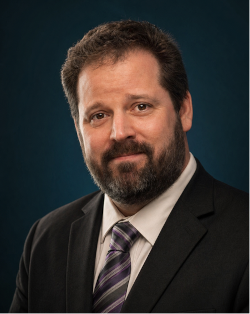 Joseph Goderic Beaulieu (D)House Grafton 1 · 4/11 answers · few answersFlagged100%Fully Socialist
 Scott A. Burns (D)House Merrimack 3 · 3/11 answers · few answersFlagged100%Fully Socialist
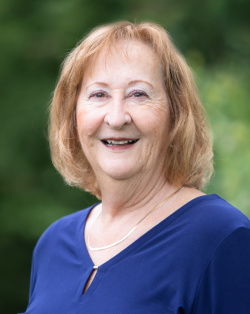 Corinne E. Cascadden (D)House Coos 7 · 29/31 roll callsFlagged100%Fully Socialist
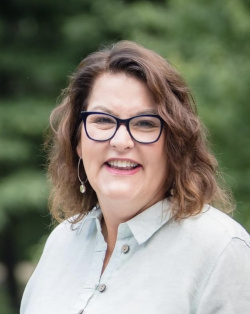 Shannon E. Chandley (D)Senate 11 · 5/5 roll callsFlagged100%Fully Socialist
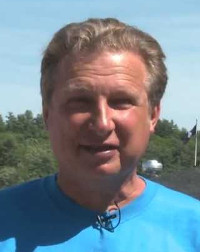 Charlie St. Clair (D)House Belknap 5 · 26/36 roll callsFlagged100%Fully Socialist
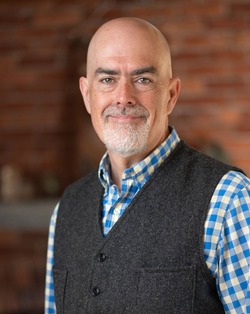 Chris Conroy (D)House Hillsborough 44 · 5/11 answers · few answersFlagged100%Fully Socialist
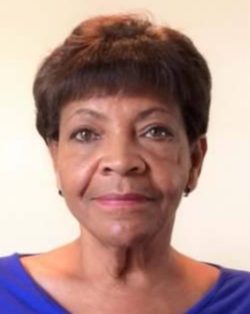 Charlotte I. DiLorenzo (D)House Rockingham 10 · 30/31 roll callsFlagged100%Fully Socialist
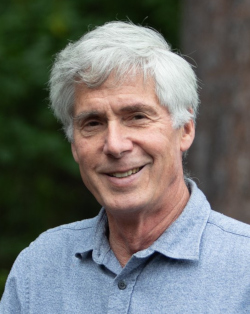 David E. Erikson (D)House Hillsborough 28 · 10/11 answersFlagged100%Fully Socialist
- Daniel Fitzpatrick (D)House Strafford 6 · 31/31 roll callsFlagged100%Fully Socialist
- Timothy Fitzpatrick (D)House Sullivan 3 · 10/11 answersFlagged100%Fully Socialist
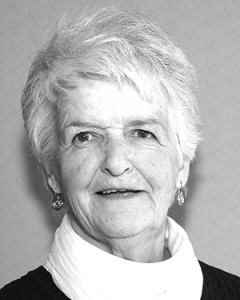 Mary C. Freitas (D)House Hillsborough 26 · 31/31 roll callsFlagged100%Fully Socialist
- Dylan Germana (D)House Cheshire 1 · 19/20 roll callsFlagged100%Fully Socialist
 Jeffrey "Jeff" Goley (D)House Hillsborough 21 · 23/31 roll callsFlagged100%Fully Socialist
- Lisa R. Gosselin (D)House Sullivan 6 · 8/11 answersFlagged100%Fully Socialist
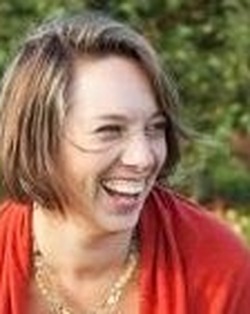 Enna Grazier (D)House Rockingham 11 · 10/11 answersFlagged100%Fully Socialist
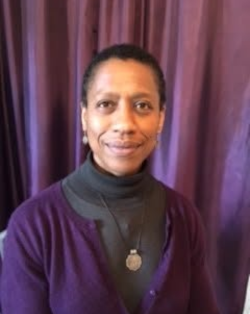 Claire Holston (D)House Hillsborough 43 · 9/11 answersFlagged100%Fully Socialist
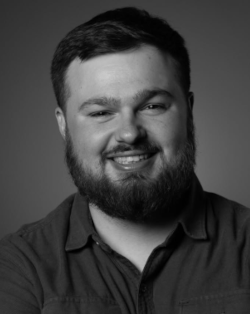 Will Hurley (D)House Strafford 12 · 10/11 answersFlagged100%Fully Socialist
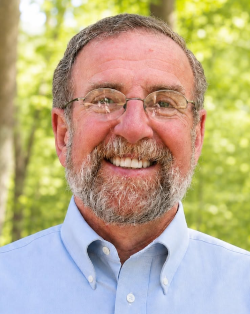 Robert "Bob" Jones (D)House Hillsborough 44 · 11/11 answersFlagged100%Fully Socialist
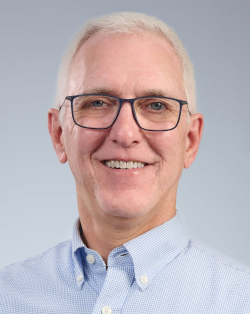 Jeffrey L. Kerr (D)House Hillsborough 2 · 10/11 answersFlagged100%Fully Socialist
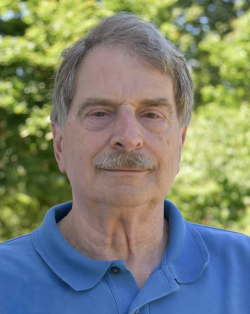 Jeffrey F. Kessler (D)House Sullivan 3 · 8/11 answersFlagged100%Fully Socialist
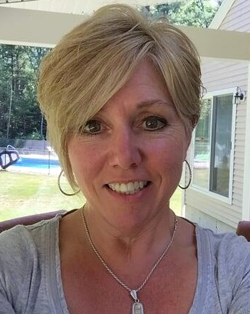 Diane E. Kolifrath (I)House Rockingham 4 · 9/11 answersFlagged100%Fully Socialist
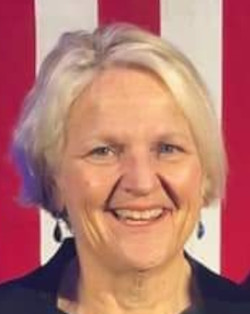 Judi L. Lanza (D)House Hillsborough 29 · 31/31 roll callsFlagged100%Fully Socialist
- Roger B. Larochelle, Jr. (D)House Grafton 11 · 3/11 answers · few answersFlagged100%Fully Socialist
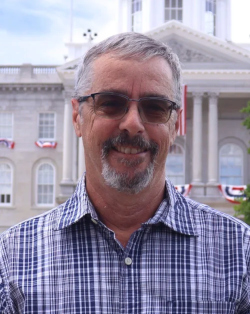 Robert Lawliss (D)Senate 17 · 9/11 answersFlagged100%Fully Socialist
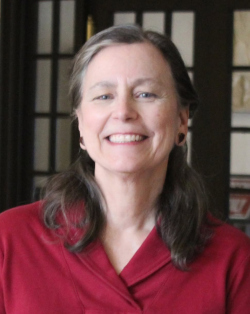 Renae Lias (D)House Hillsborough 4 · 8/11 answersFlagged100%Fully Socialist
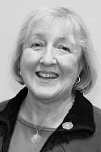 Linda Massimilla (D)House Grafton 1 · 25/31 roll callsFlagged100%Fully Socialist
 Ben Ming (D)House Hillsborough 35 · 30/31 roll callsFlagged100%Fully Socialist
- Michelle Moge (D)Senate 19 · 11/11 answersFlagged100%Fully Socialist
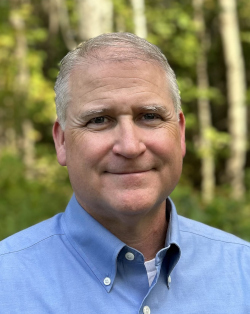 Kenneth Nivison (D)House Merrimack 12 · 8/11 answersFlagged100%Fully Socialist
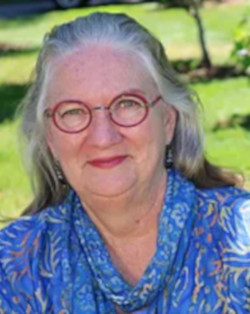 Frances E. Nutter-Upham (D)House Hillsborough 8 · 31/31 roll callsFlagged100%Fully Socialist
- Christine L. Parshall (D)House Cheshire 8 · 10/11 answersFlagged100%Fully Socialist
 Jason Quinno (D)House Merrimack 30 · 10/11 answersFlagged100%Fully Socialist
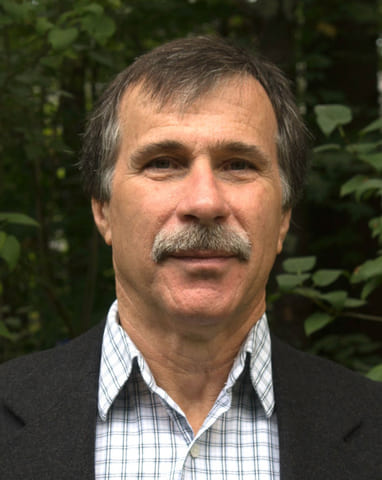 Hal Rafter (D)House Rockingham 1 · 16/16 roll callsFlagged100%Fully Socialist
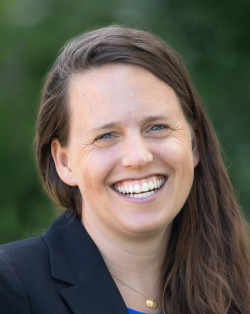 Jenny Ramsey (D)House Sullivan 2 · 6/11 answers · few answersFlagged100%Fully Socialist
 Chris Salmon (D)House Sullivan 4 · 9/11 answersFlagged100%Fully Socialist
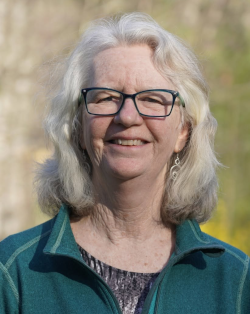 Ginna Schonwald (D)House Strafford 4 · 9/11 answersFlagged100%Fully Socialist
- Tom Stewart (D)House Hillsborough 41 · 9/11 answersFlagged100%Fully Socialist
- Judith M. Thackaberry (D)House Sullivan 5 · 8/11 answersFlagged100%Fully Socialist
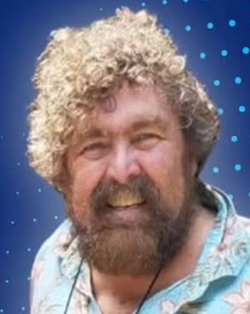 Harold D. Tuttle (D)House Merrimack 26 · 10/11 answersFlagged100%Fully Socialist
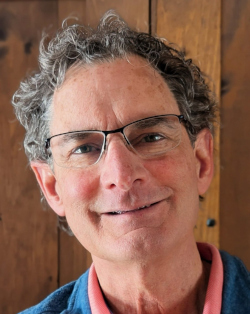 Richard Umiker (D)House Coos 6 · 7/11 answersFlagged100%Fully Socialist
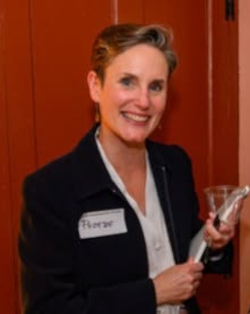 Phoebe VanScoy-Giessler (D)House Carroll 6 · 10/11 answersFlagged100%Fully Socialist
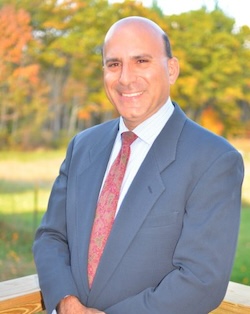 Phillip James Walker (D)House Merrimack 27 · 5/11 answers · few answersFlagged100%Fully Socialist
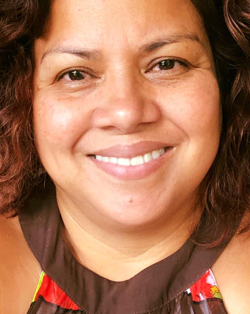 Maria Perez (D)House Hillsborough 43 · 23/31 roll callsFlagged95.7%Fully Socialist
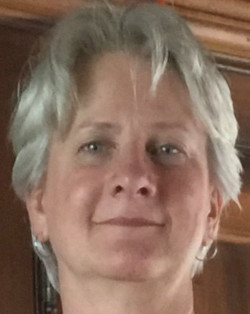 Jennie Gomarlo (D)House Cheshire 17 · 16/16 roll callsFlagged93.8%Fully Socialist
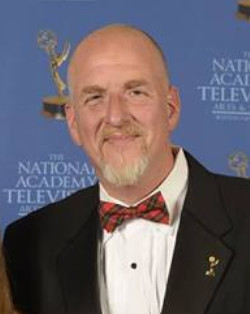 Timothy T. Egan (D)House Grafton 1 · 15/16 roll callsFlagged93.3%Fully Socialist
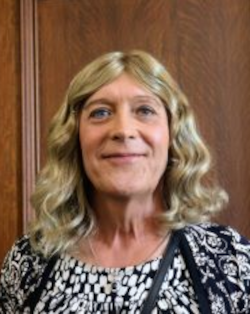 Al Turcotte (D)House Merrimack 11 · 30/31 roll callsFlagged93.3%Fully Socialist
 Marc E. Bourassa (D)House Grafton 10 · 11/11 answersFlagged90.9%Fully Socialist
 JJ DeFeo (D)House Rockingham 7 · 11/11 answersFlagged90.9%Fully Socialist
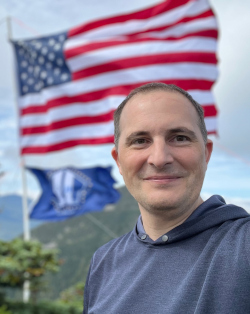 C. Mark DelSesto (I)House Hillsborough 13 · 11/11 answersFlagged90.9%Fully Socialist
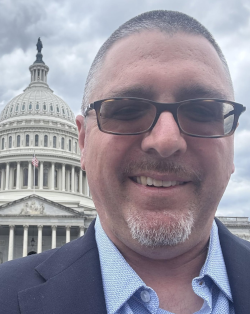 Matt Glavin (D)House Rockingham 13 · 11/11 answersFlagged90.9%Fully Socialist
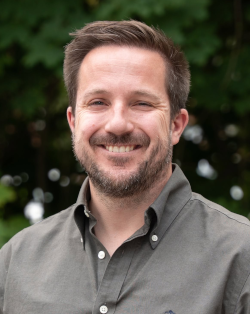 William Patrick Lynch (D)House Merrimack 10 · 11/11 answersFlagged90.9%Fully Socialist
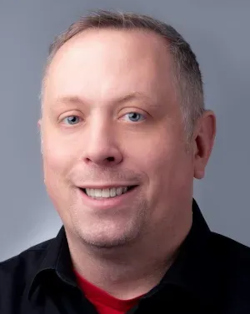 Justin McIsaac (D)House Strafford 19 · 11/11 answersFlagged90.9%Fully Socialist
 Lee Nyquist (D)House Hillsborough 42 · 11/11 answersFlagged90.9%Fully Socialist
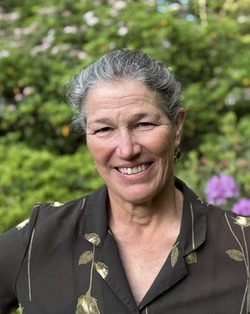 Erica Russell (D)House Merrimack 25 · 11/11 answersFlagged90.9%Fully Socialist
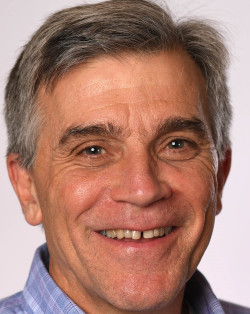 David Trumble (D)Senate 8 · 11/11 answersFlagged90.9%Fully Socialist
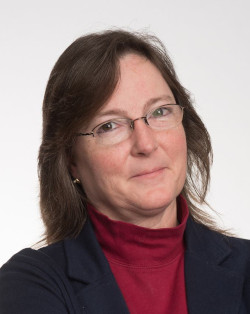 Lorrie Carey (D)House Merrimack 1 · 10/11 answersFlagged90%Fully Socialist
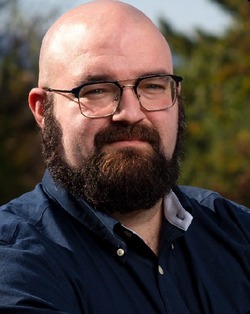 Chris Cogswell (D)House Sullivan 6 · 10/11 answersFlagged90%Fully Socialist
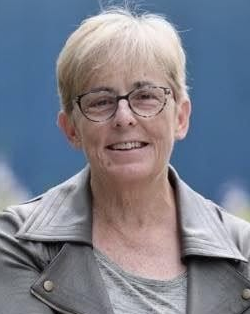 Donna Danis (D)House Rockingham 1 · 10/11 answersFlagged90%Fully Socialist
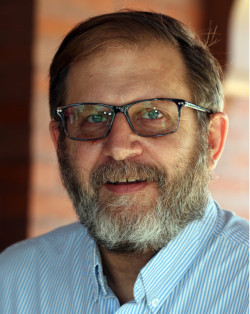 Rick Faulconer (D)House Rockingham 20 · 10/11 answersFlagged90%Fully Socialist
 Adam Heard (D)House Carroll 2 · 10/11 answersFlagged90%Fully Socialist
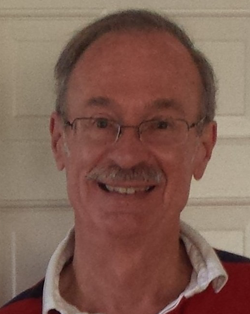 Don House (D)House Belknap 8 · 10/11 answersFlagged90%Fully Socialist
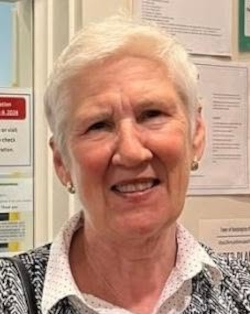 Wendy Larson (D)House Rockingham 19 · 10/11 answersFlagged90%Fully Socialist
- Kristopher Levesque (D)House Merrimack 23 · 10/11 answersFlagged90%Fully Socialist
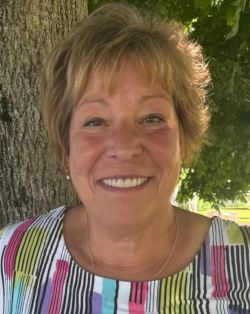 Nancy Mitchell (D)House Belknap 7 · 10/11 answersFlagged90%Fully Socialist
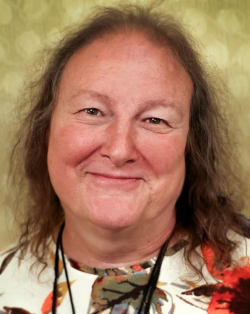 Lee Ann Potter (D)House Coos 1 · 10/11 answersFlagged90%Fully Socialist
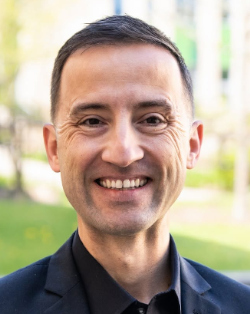 Darryn E. Remillard (D)House Rockingham 17 · 10/11 answersFlagged90%Fully Socialist
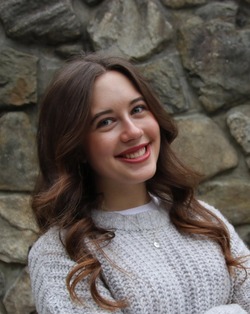 Siena R. Schaier (D)House Strafford 10 · 10/11 answersFlagged90%Fully Socialist
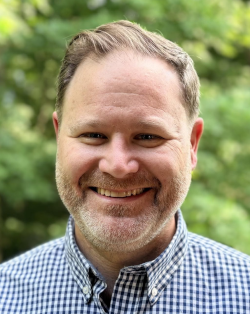 Thomas Ware (D)House Merrimack 5 · 10/11 answersFlagged90%Fully Socialist
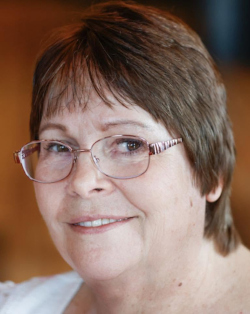 Lisa DeBartolomao (D)House Sullivan 3 · 9/11 answersFlagged88.9%Comrade
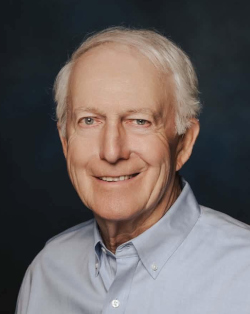 David DePuy (D)Senate 16 · 9/11 answersFlagged88.9%Comrade
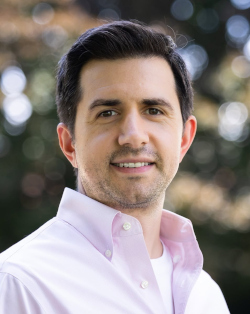 Isaac Fernandez (D)House Rockingham 16 · 9/11 answersFlagged88.9%Comrade
- William F. Fessenden (I)House Strafford 5 · 9/11 answersFlagged88.9%Comrade
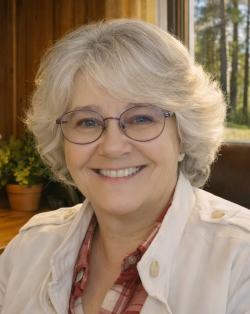 Cathleen A. Fountain (D)Senate 1 · 9/11 answersFlagged88.9%Comrade
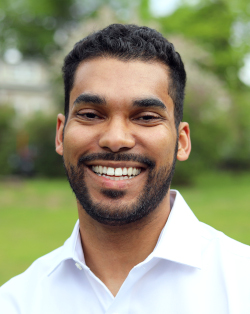 Nathan Giffard (D)House Merrimack 20 · 9/11 answersFlagged88.9%Comrade
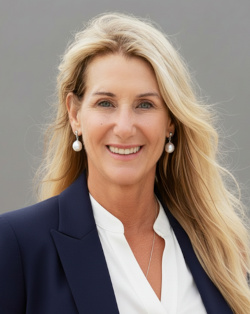 Kimberly McGlinchey (D)House Strafford 4 · 9/11 answersFlagged88.9%Comrade
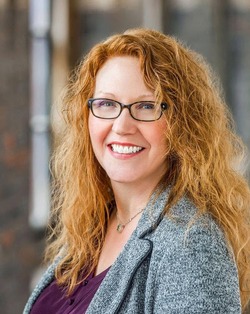 Camille Pattison (D)House Hillsborough 4 · 9/11 answersFlagged88.9%Comrade
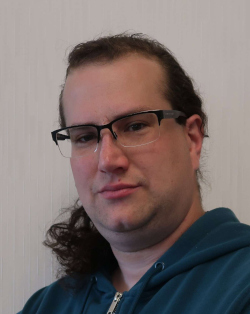 David Provencher (D)House Rockingham 13 · 9/11 answersFlagged88.9%Comrade
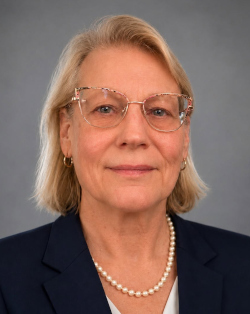 Mary Beth Raven (D)House Hillsborough 12 · 9/11 answersFlagged88.9%Comrade
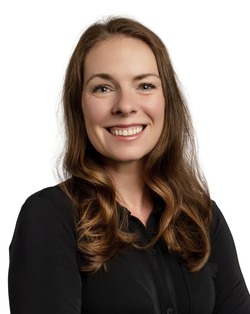 Amber Schaefer (D)House Belknap 1 · 9/11 answersFlagged88.9%Comrade
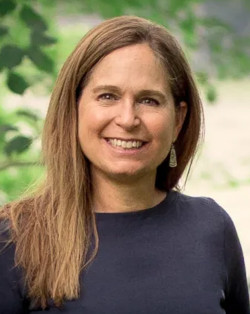 Michelle Stith (D)House Rockingham 35 · 9/11 answersFlagged88.9%Comrade
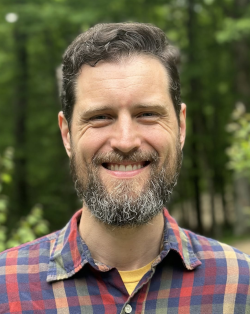 Samuel Deering (D)House Sullivan 8 · 8/11 answersFlagged87.5%Comrade
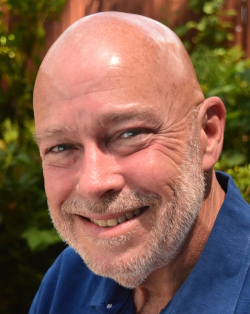 Michael Farley (D)House Hillsborough 15 · 8/11 answersFlagged87.5%Comrade
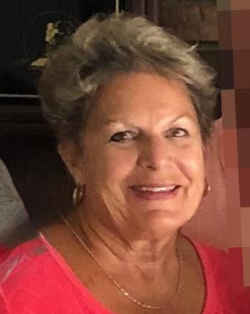 Marcia Hayward (D)House Belknap 5 · 8/11 answersFlagged87.5%Comrade
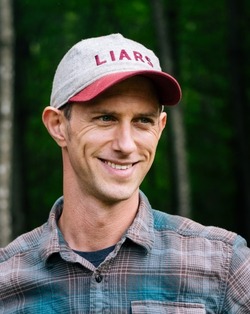 Cecil Abels (D)Senate 6 · 7/11 answersFlagged85.7%Comrade
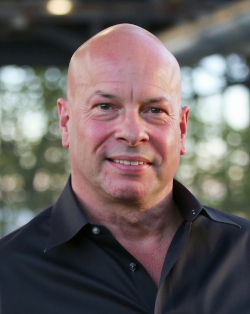 Peter Boudreau (D)House Rockingham 31 · 7/11 answersFlagged85.7%Comrade
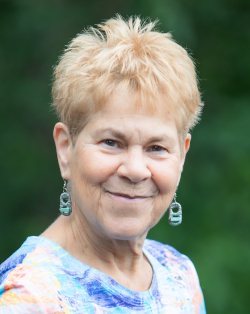 Judith Lindsey (D)House Rockingham 2 · 7/11 answersFlagged85.7%Comrade
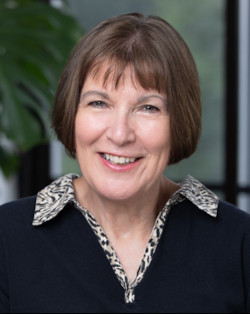 Marie B. Morgan (D)House Hillsborough 29 · 7/11 answersFlagged85.7%Comrade
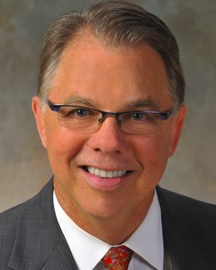 Jim Normand (D)House Hillsborough 18 · 7/11 answersFlagged85.7%Comrade
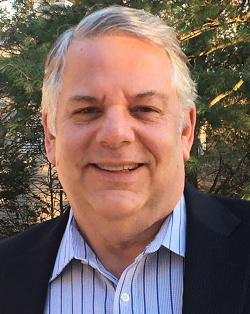 Scott Shepard (D)House Strafford 4 · 7/11 answersFlagged85.7%Comrade
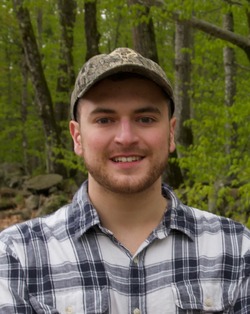 Cody York (D)House Merrimack 4 · 7/11 answersFlagged85.7%Comrade
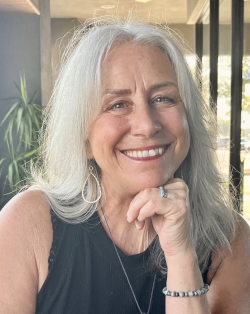 Laura Dunham (D)House Belknap 7 · 6/11 answers · few answersFlagged83.3%Comrade
 Shuvom Ghose (R)House Hillsborough 24 · 6/11 answers · few answersFlagged83.3%Comrade
- Donald J. Giguere (D)House Belknap 8 · 6/11 answers · few answersFlagged83.3%Comrade
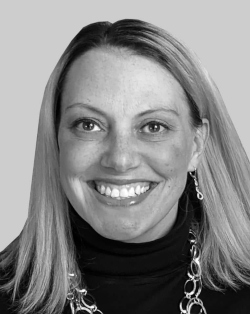 Carryl L. Roy (D)Senate 12 · 6/11 answers · few answersFlagged83.3%Comrade
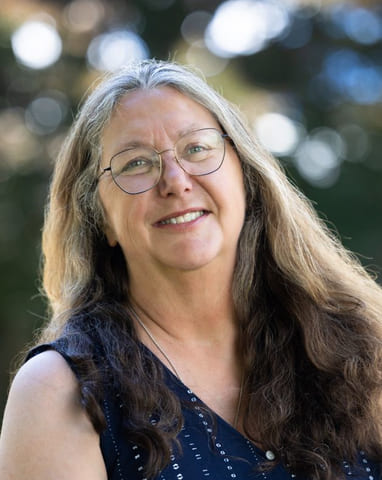 Pamela Sanderson (D)House Rockingham 1 · 6/11 answers · few answersFlagged83.3%Comrade
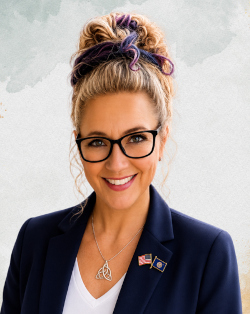 Kristine Trow (D)House Rockingham 13 · 6/11 answers · few answersFlagged83.3%Comrade
 Benjamin C. Baroody (D)House Hillsborough 16 · 28/31 roll callsFlagged82.1%Comrade
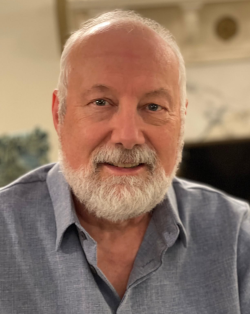 James Pittman (D)House Carroll 8 · 11/11 answersFlagged81.8%Comrade
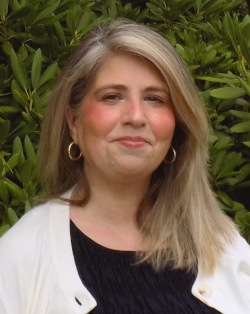 Chrissy Simonds (D)House Hillsborough 19 · 11/11 answersFlagged81.8%Comrade
- Richard Swanson (D)House Hillsborough 32 · 11/11 answersFlagged81.8%Comrade
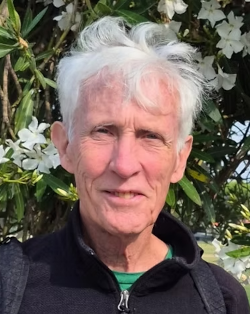 Paul Twomey (I)House Merrimack 13 · 11/11 answersFlagged81.8%Comrade
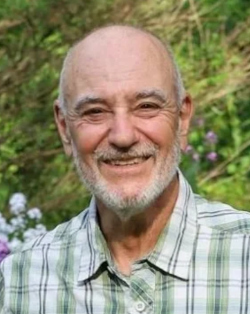 Paul Bonzani (D)House Rockingham 36 · 10/11 answersFlagged80%Comrade
- Alan Gross (D)House Cheshire 10 · 10/11 answersFlagged80%Comrade
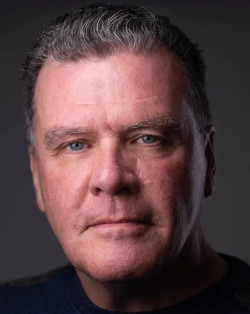 John K. Fitzgerald (D)House Hillsborough 2 · 9/11 answers77.8%Diet Socialist
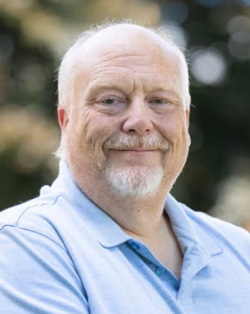 Jim Marshall (D)House Rockingham 13 · 9/11 answers77.8%Diet Socialist
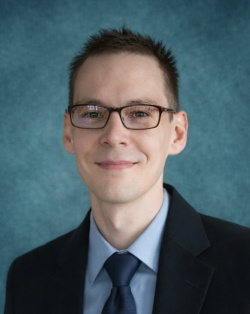 Michael P. Aksten (D)House Hillsborough 3 · 8/11 answers75%Diet Socialist
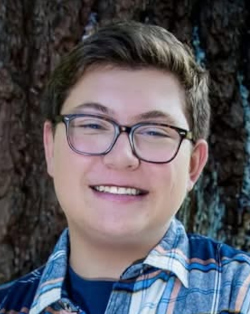 Matthew Brown (D)House Hillsborough 12 · 8/11 answers75%Diet Socialist
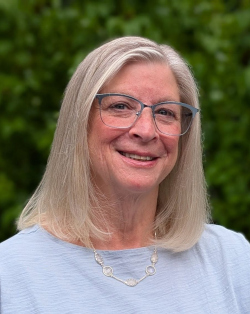 Annie Gehring (D)House Carroll 4 · 4/11 answers · few answers75%Diet Socialist
 Germano Martins (D)House Merrimack 10 · 4/11 answers · few answers75%Diet Socialist
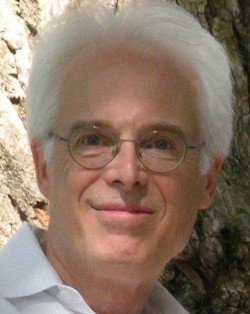 David Martsolf (D)House Rockingham 17 · 8/11 answers75%Diet Socialist
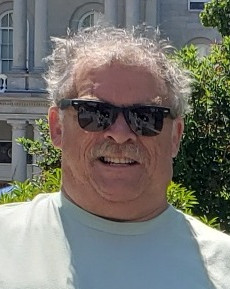 Bob McLean (D)House Belknap 6 · 8/11 answers75%Diet Socialist
- Mahendra Bakshi (D)House Hillsborough 38 · 11/11 answers72.7%Diet Socialist
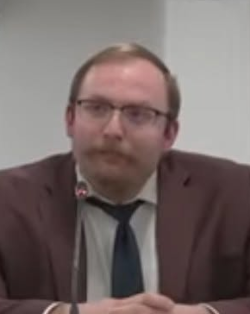 Kyle Haines (I)House Hillsborough 12 · 11/11 answers72.7%Diet Socialist
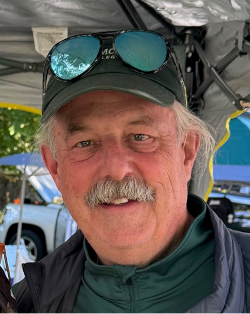 Dean S.T. Cascadden (D)House Belknap 2 · 7/11 answers71.4%Diet Socialist
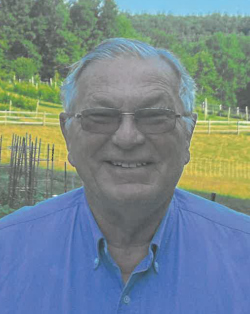 David Childs (D)Senate 23 · 7/11 answers71.4%Diet Socialist
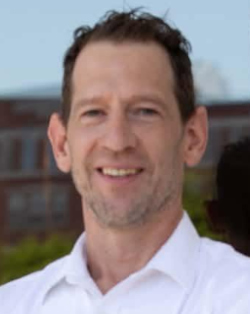 Chris Tardif (D)Senate 22 · 7/11 answers71.4%Diet Socialist
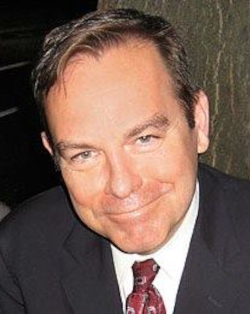 William Bryk (D)House Hillsborough 30 · 10/11 answers70%Diet Socialist
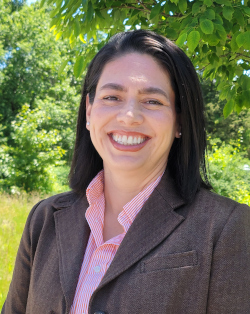 Mariana R. Beer (D)House Merrimack 12 · 6/11 answers · few answers66.7%Somewhat Socialist
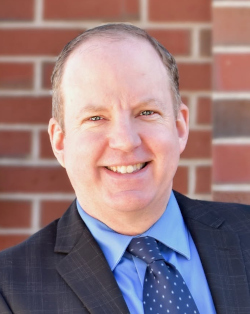 Samuel Chouinard (D)House Strafford 15 · 9/11 answers66.7%Somewhat Socialist
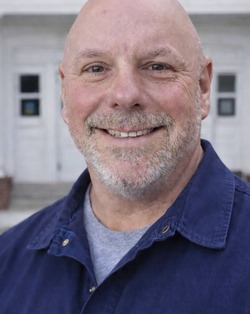 Benson H. Goodwin (D)House Hillsborough 28 · 9/11 answers66.7%Somewhat Socialist
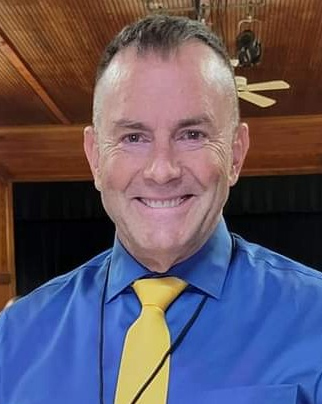 Kevin M. Major (R)House Rockingham 9 · 6/11 answers · few answers66.7%Somewhat Socialist
 Ty Wyman (D)House Strafford 8 · 9/11 answers66.7%Somewhat Socialist
- Paul M. Little (R)House Merrimack 6 · 7/11 answers57.1%Not a Socialist
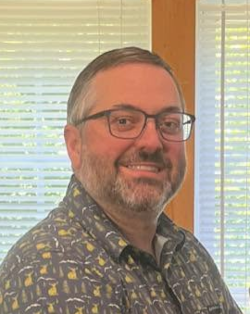 Matthew Castanien (R)House Hillsborough 2 · 8/11 answers50%Not a Socialist
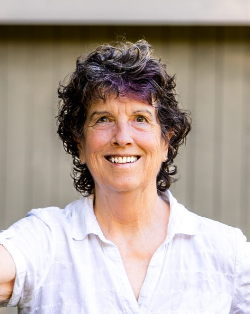 Daryl D'Angelo (I)House Hillsborough 37 · 6/11 answers · few answers50%Not a Socialist
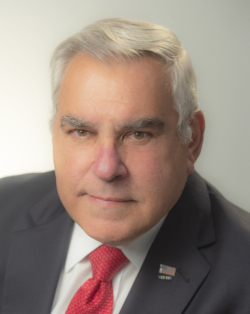 Greg Mathieson (R)House Grafton 5 · 9/11 answers44.4%Not a Socialist
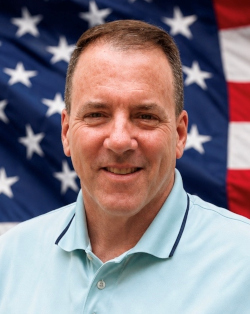 Shawn Martin (R)House Hillsborough 4 · 8/11 answers37.5%Not a Socialist
- Robert C. Washburn, Sr. (R)House Merrimack 30 · 11/11 answers36.4%Not a Socialist
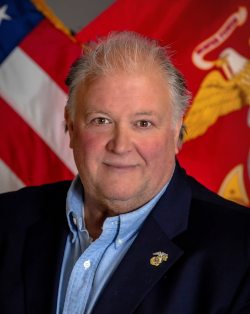 Robert Gargano (R)House Coos 6 · 9/11 answers33.3%Not a Socialist
- Fred Wilkinson, Jr. (I)Senate 8 · 6/11 answers · few answers33.3%Not a Socialist
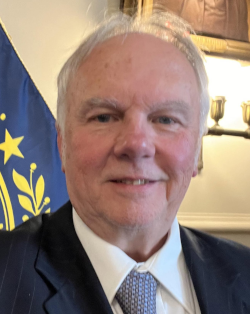 Kevin Southwick (R)House Hillsborough 12 · 10/11 answers30%Not a Socialist
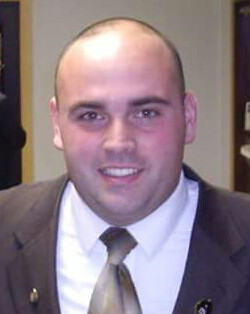 Shawn Mickelonis (R)Senate 4 · 11/11 answers27.3%Not a Socialist
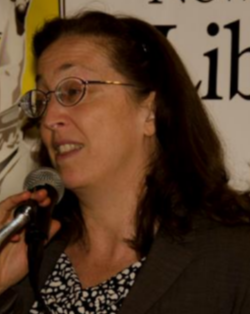 Doris Hohensee (R)House Hillsborough 6 · 8/11 answers25%Not a Socialist
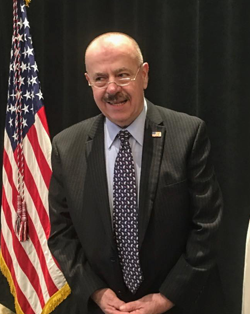 Lou Gargiulo (R)Senate 24 · 10/11 answers20%Not a Socialist
 Bonnie Ham (R)House Grafton 3 · 15/16 roll calls20%Not a Socialist
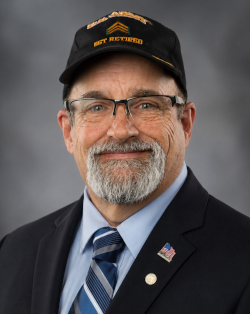 Paul LaFerriere (R)House Hillsborough 24 · 10/11 answers20%Not a Socialist
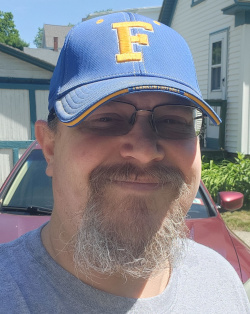 Werner D. Horn (R)House Merrimack 3 · 26/26 roll calls19.2%Not a Socialist
 Kurt Wuelper (R)House Strafford 4 · 16/16 roll calls18.8%Not a Socialist
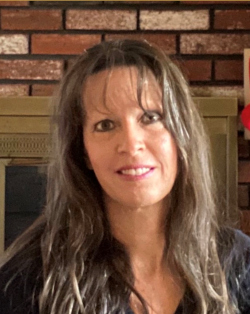 Diane Rogers (R)House Hillsborough 1 · 11/11 answers18.2%Not a Socialist
- Laurence R. Weissbrot (R)House Merrimack 16 · 11/11 answers18.2%Not a Socialist
 Andy Dow (R)House Strafford 1 · 6/11 answers · few answers16.7%Not a Socialist
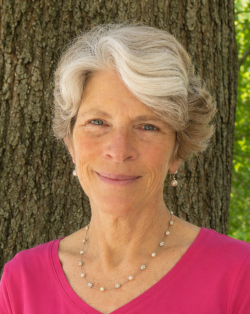 Deborah Kruzel (R)House Hillsborough 1 · 6/11 answers · few answers16.7%Not a Socialist
- Anthony Clements (R)Senate 16 · 7/11 answers14.3%Not a Socialist
- Jon A. Gablinske (R)House Grafton 7 · 7/11 answers14.3%Not a Socialist
 Phil Greazzo (R)House Hillsborough 2 · 7/11 answers14.3%Not a Socialist
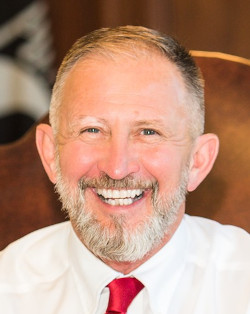 Allen W. Cook (R)House Rockingham 6 · 8/11 answers12.5%Not a Socialist
- Paul T. Edgar (R)House Strafford 12 · 8/11 answers12.5%Not a Socialist
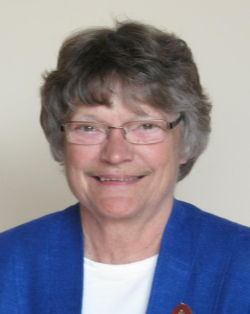 Karen C. Umberger (R)House Carroll 1 · 16/16 roll calls12.5%Not a Socialist
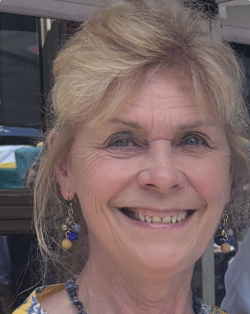 Natalie J. Wells (R)House Merrimack 8 · 16/16 roll calls12.5%Not a Socialist
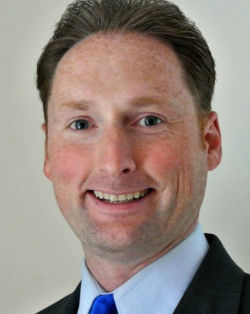 Max Abramson (R)House Hillsborough 22 · 9/11 answers11.1%Not a Socialist
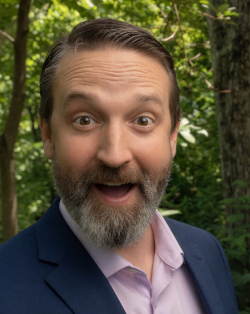 Patrick Binder (R)Senate 20 · 9/11 answers11.1%Not a Socialist
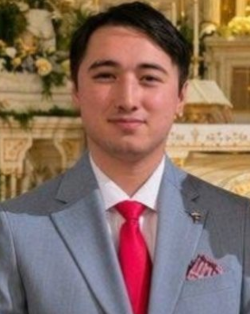 Matthew Brooks (R)House Rockingham 9 · 9/11 answers11.1%Not a Socialist
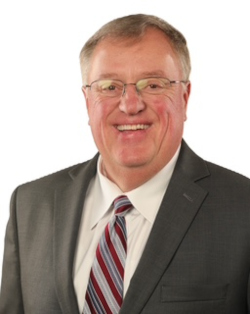 Daniel A. Furman (R)House Strafford 13 · 9/11 answers11.1%Not a Socialist
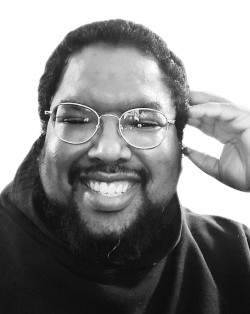 Jose R. Marte (R)House Hillsborough 20 · 9/11 answers11.1%Not a Socialist
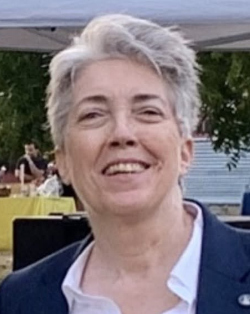 Monique Meadows (R)House Strafford 11 · 9/11 answers11.1%Not a Socialist
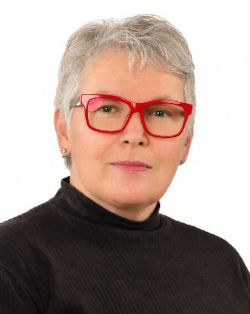 Catherine Peschke (R)House Sullivan 8 · 9/11 answers11.1%Not a Socialist
 Matthew Ping (D)Senate 20 · 9/11 answers11.1%Not a Socialist
- Julie Smith (R)Senate 17 · 9/11 answers11.1%Not a Socialist
- Eric Bourgeois (R)House Strafford 7 · 10/11 answers10%Not a Socialist
 Tammy Simmons Garthwaite (R)House Carroll 8 · 10/11 answers10%Not a Socialist
 Anthony Henry (R)House Rockingham 13 · 10/11 answers10%Not a Socialist
 Peter Kujawski (R)House Hillsborough 2 · 10/11 answers10%Not a Socialist
 Pamela McMahon (R)House Merrimack 10 · 10/11 answers10%Not a Socialist
- Jake Abuhav (R)House Grafton 11 · 11/11 answers9.1%Certified Anti-Socialist
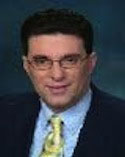 Brian Chirichiello (R)House Rockingham 13 · 22/26 roll calls9.1%Certified Anti-Socialist
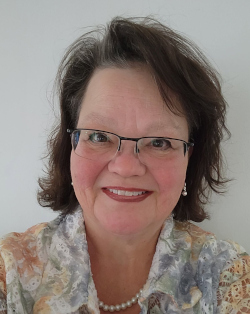 Jennifer LePla (R)House Carroll 2 · 11/11 answers9.1%Certified Anti-Socialist
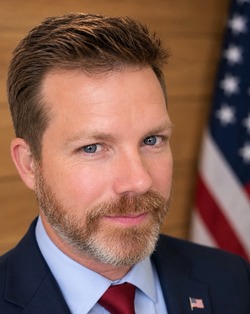 Ron Rule (R)House Sullivan 4 · 11/11 answers9.1%Certified Anti-Socialist
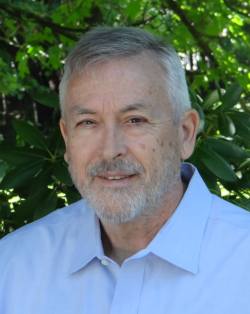 James Scamman (R)House Rockingham 12 · 11/11 answers9.1%Certified Anti-Socialist
- Zachary Nutting (R)House Cheshire 6 · 29/31 roll calls6.9%Certified Anti-Socialist
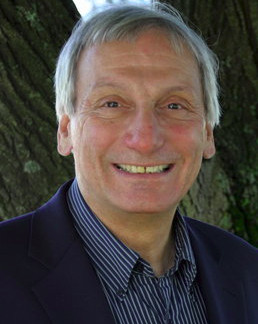 Patrick Abrami (R)House Rockingham 12 · 16/16 roll calls6.3%Certified Anti-Socialist
 Jason A. Janvrin (R)House Rockingham 30 · 30/31 roll calls3.3%Certified Anti-Socialist
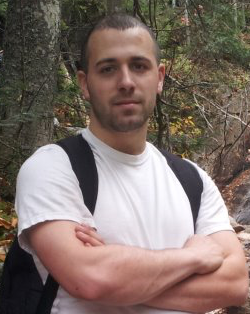 Matthew John Santonastaso (R)House Cheshire 13 · 31/31 roll calls3.2%Certified Anti-Socialist
- Matthew D. Albion (R)House Strafford 17 · 4/11 answers · few answers0%Certified Anti-Socialist
- Michael Appleton (R)House Rockingham 13 · 1/11 from their website · few answers0%Certified Anti-Socialist
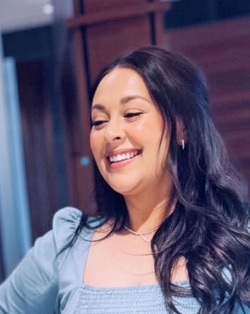 Brandon Bach (R)House Rockingham 13 · 1/11 from their website · few answers0%Certified Anti-Socialist
 Shanun R. Carey (R)House Hillsborough 29 · 9/11 answers0%Certified Anti-Socialist
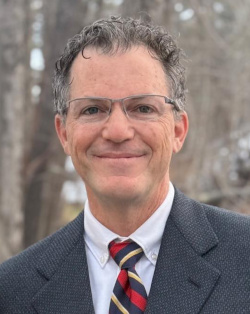 Dale Fincher (R)House Carroll 7 · 8/11 answers0%Certified Anti-Socialist
- Robert Goeman (R)House Rockingham 11 · 5/11 answers · few answers0%Certified Anti-Socialist
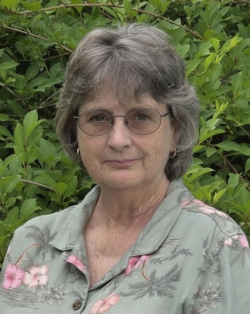 JoAnne Hack (R)House Strafford 4 · 8/11 answers0%Certified Anti-Socialist
 Ryan Hebert (R)House Hillsborough 41 · 6/11 answers · few answers0%Certified Anti-Socialist
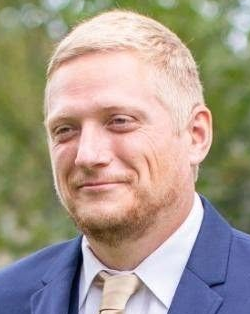 James Higginbottom (R)House Strafford 19 · 9/11 answers0%Certified Anti-Socialist
 William Infantine (R)House Hillsborough 39 · 26/31 roll calls0%Certified Anti-Socialist
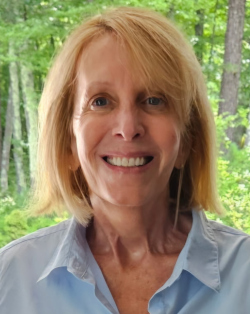 Elizabeth Keenan (R)House Hillsborough 43 · 9/11 answers0%Certified Anti-Socialist
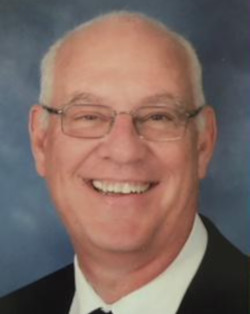 James "Jim" Kelly (R)House Hillsborough 35 · 10/11 answers0%Certified Anti-Socialist
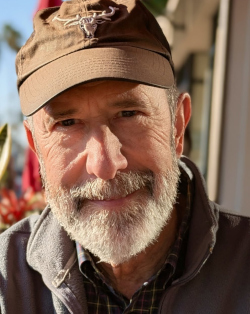 Gary Matteson (R)House Merrimack 14 · 8/11 answers0%Certified Anti-Socialist
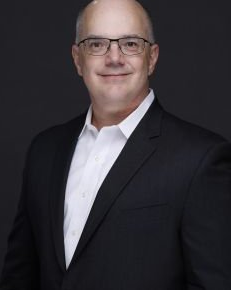 Jeffrey McGraw (R)House Rockingham 16 · 7/11 answers0%Certified Anti-Socialist
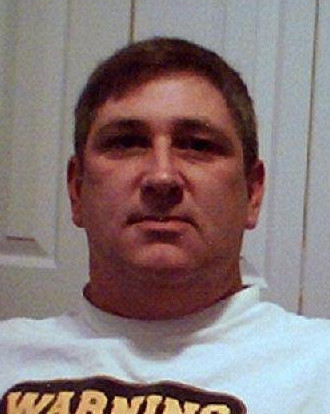 Daniel J. Paul (R)Senate 13 · 6/11 answers · few answers0%Certified Anti-Socialist
- Stephen Craig Pierce (R)House Merrimack 8 · 10/11 answers0%Certified Anti-Socialist
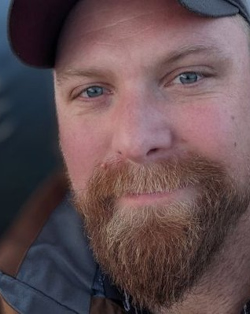 Robert Qua (R)House Strafford 9 · 11/11 answers0%Certified Anti-Socialist
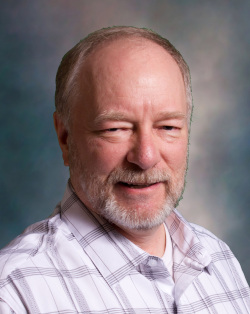 Mark F. Racic (R)House Strafford 2 · 10/11 answers0%Certified Anti-Socialist
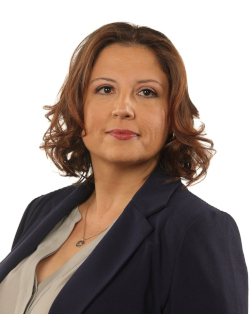 Tanya Rich (R)House Strafford 4 · 9/11 answers0%Certified Anti-Socialist
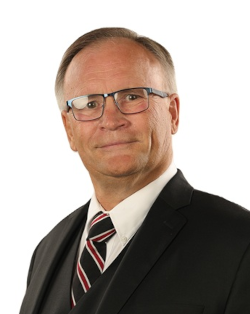 Daniel Richardson (R)House Hillsborough 6 · 6/11 answers · few answers0%Certified Anti-Socialist
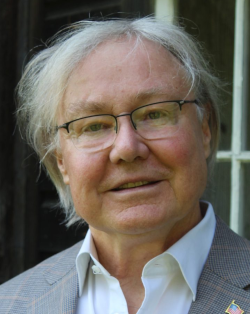 Conrad Schoeffter (R)Senate 5 · 10/11 answers0%Certified Anti-Socialist
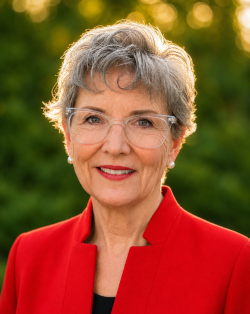 Becky Shields (R)House Cheshire 15 · 7/11 answers0%Certified Anti-Socialist
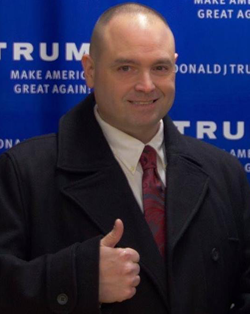 Jonathan F. Stone (R)House Sullivan 8 · 31/31 roll calls0%Certified Anti-Socialist
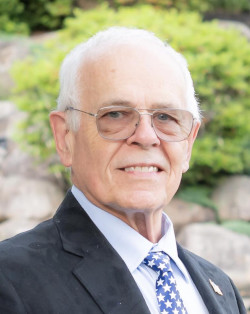 Bruce R. Theriault (R)House Rockingham 29 · 8/11 answers0%Certified Anti-Socialist
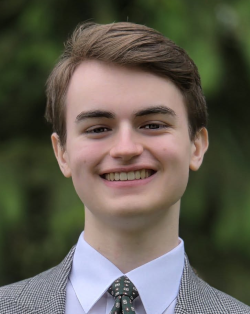 Tom Trost (R)House Hillsborough 13 · 3/11 answers · few answers0%Certified Anti-Socialist
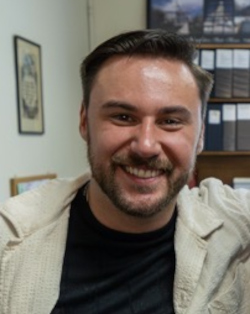 Jonathan Verbicky (R)House Strafford 19 · 8/11 answers0%Certified Anti-Socialist
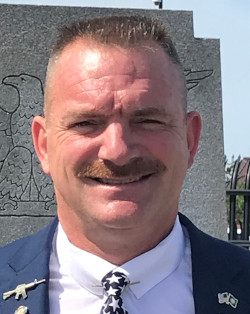 Scott Wallace (R)House Belknap 2 · 10/11 answers0%Certified Anti-Socialist
- Michael R. York (R)House Cheshire 10 · 9/11 answers0%Certified Anti-Socialist
Score distribution
The 203 scored candidates, in ten-point bands.
- 90-100%71
- 80-89%35
- 70-79%14
- 60-69%5
- 50-59%3
- 40-49%1
- 30-39%5
- 20-29%5
- 10-19%27
- 0-9%37
| Party | Scored | DSA Preferred | Mean score |
|---|---|---|---|
| Democrat | 119 | 101 | 89.6% |
| Republican | 77 | 1 | 12.4% |
| Independent/Other | 7 | 4 | 73.9% |
The 11 questions, and the answer each one is scored against
The wording is Citizens Count’s, not ours. Every question is tied to a named plank of DSA’s national political program. Seven of the 11 aligned answers are “Against”. Four questions ask about capping, lowering or restricting something, and three ask whether you support a policy DSA opposes. Assuming “For” is always the aligned answer would be wrong on more than half of this ballot.
| Question | Issue area | DSA plank | Aligned answer |
|---|---|---|---|
| Broad-based income taxShould NH add an income tax on earned income? | Raise Taxes to Expand Government | Economic Democracy | For |
| Interest and Dividends taxShould New Hampshire reinstate the interest and dividends tax? | Raise Taxes to Expand Government | Economic Democracy | For |
| Business tax decreaseShould New Hampshire lower business taxes? | Raise Taxes to Expand Government | Economic Democracy | Against |
| Fund the Office of the Child AdvocateShould New Hampshire restore funding for the Office of the Child Advocate? | Grow the State Budget | Economic Democracy | For |
| School district tax cap mandateShould state law cap how much local school districts can increase their budget each year? | Grow the State Budget | Economic Democracy | Against |
| "Education Freedom Account" programDo you support the “Education Freedom Account” program, which gives students access to the per-pupil share of state school funding to spend on private school or home school expenses? | Defend the Public School Monopoly | Freedom To Flourish | Against |
| Public school open enrollment with limitsShould New Hampshire allow at least 10% of students in each school district to enroll in a different public school, regardless of where they live? | Defend the Public School Monopoly | Freedom To Flourish | Against |
| Majority of public school funding through local property taxesDo you support New Hampshire’s current system of public school funding, with about two-thirds of total funding coming from local property taxes? | Defend the Public School Monopoly | Freedom To Flourish | Against |
| Expand net metering opportunitiesDo you support legislation to expand the net energy metering system capacity cap from 1 MW to 5 MW for all residential and commercial customers in New Hampshire? | Green New Deal Energy Mandates | Green New Deal | For |
| Allow segregation based on biological sexShould New Hampshire’s anti-discrimination law allow segregation based on biological sex in some settings, such as bathrooms and locker rooms? | Gender Identity Over Biological Sex | Feminism For All | Against |
| Proof of citizenship for newly registered votersShould New Hampshire require new voters to provide proof of U.S. citizenship, such as a birth certificate or passport, when registering to vote? | Loosen Voter Eligibility Rules | Democracy For All | Against |


10 questions were answered and deliberately not scored
Five of them have no matching plank. The DSA program is a national platform, and where it says nothing on a subject we do not invent a position for it. That is the same rule that keeps every firearms bill off the roll-call scorecard.
The other five are a different case. The DSA program does have a plank on reproductive care, and one on housing, but those questions were dropped anyway. Citizens Count asked four about abortion, so on the original sixteen-question ballot a single subject carried a quarter of every score and decided who was flagged. The zoning question went next: removing zoning barriers is a market-liberal position as often as a left one, so both kinds of candidate answered For and the question separated nobody. Both calls are recorded as scorecard v2 and v3, with the earlier versions left intact.
- Stricter gun lawsThe DSA political program has no firearms plank. Every gun bill is excluded from the roll-call scorecard for this same reason, and the survey is held to the same rule.
- Marijuana legalization with home-growing, no salesThe DSA program has no drug-policy plank. It treats addiction as a health issue inside the incarceration plank, which is not a position on legalising sale or possession.
- Marijuana legalization with private salesNo drug-policy plank. Scoring all three marijuana questions would also have given one topic 3 of 19 questions, the same over-weighting v6 of the roll-call scorecard removed.
- Marijuana legalization with state-run storesNo drug-policy plank. State-run cannabis stores are public ownership of a retail business, but the Economic Democracy plank is about major corporations and utilities, not about which goods the state should sell.
- Encourage nuclear developmentThe Green New Deal plank names a fossil-fuel phase-out and publicly owned sustainable energy. It takes no position on nuclear power either way, so we do not guess one.
- Repeal ban on abortion after 24 weeksRemoved in v2. The four abortion questions were a quarter of a sixteen-question ballot, so one subject decided who was flagged more than any other. They are also the questions on which a candidate is least likely to be telling you anything about the rest of their politics. The score is now about tax, spending, schools, energy and process.
- Guarantee right to abortion before 24 weeksRemoved in v2. The four abortion questions were a quarter of a sixteen-question ballot, so one subject decided who was flagged more than any other. They are also the questions on which a candidate is least likely to be telling you anything about the rest of their politics. The score is now about tax, spending, schools, energy and process.
- Ban abortion during 2nd trimesterRemoved in v2. The four abortion questions were a quarter of a sixteen-question ballot, so one subject decided who was flagged more than any other. They are also the questions on which a candidate is least likely to be telling you anything about the rest of their politics. The score is now about tax, spending, schools, energy and process.
- Ban abortion during 1st trimesterRemoved in v2. The four abortion questions were a quarter of a sixteen-question ballot, so one subject decided who was flagged more than any other. They are also the questions on which a candidate is least likely to be telling you anything about the rest of their politics. The score is now about tax, spending, schools, energy and process.
- Encourage local zoning changes for housing developmentRemoved in v3. The Housing For All plank is about public housing, tenant rights and treating housing as a right; it takes no position on whether the state should override local zoning. That question also fails to separate anyone: removing zoning barriers is a market-liberal position as often as a left one, so both a socialist and a free-market candidate answer For, for opposite reasons. It was one of twelve questions and the only one in its issue area, so a poor discriminator carried a full share of every score.
The survey also asks nothing at all about immigration enforcement, compulsory union membership, a state minimum wage, the paint fee or the battery fee. 7 of the issue areas on the roll-call ballot cannot be measured from this survey.
Every scored candidate, A to Z
Names in red are rated DSA Preferred.
- Cecil Abels (D, Senate 6)
- Patrick Abrami (R, House Rockingham 12)
- Max Abramson (R, House Hillsborough 22)
- Jake Abuhav (R, House Grafton 11)
- Tom Ahlborn-Hsu (D, House Cheshire 13)
- Michael P. Aksten (D, House Hillsborough 3)
- Matthew D. Albion (R, House Strafford 17)
- Michael Appleton (R, House Rockingham 13)
- Brandon Bach (R, House Rockingham 13)
- Luan Baci (D, House Hillsborough 13)
- Mahendra Bakshi (D, House Hillsborough 38)
- Benjamin C. Baroody (D, House Hillsborough 16)
- Joseph Goderic Beaulieu (D, House Grafton 1)
- Jane Ellen Beaulieu (D, House Hillsborough 19)
- Mariana R. Beer (D, House Merrimack 12)
- Patrick Binder (R, Senate 20)
- Paul Bonzani (D, House Rockingham 36)
- Peter Boudreau (D, House Rockingham 31)
- Marc E. Bourassa (D, House Grafton 10)
- Eric Bourgeois (R, House Strafford 7)
- Matthew Brooks (R, House Rockingham 9)
- Matthew Brown (D, House Hillsborough 12)
- William Bryk (D, House Hillsborough 30)
- Scott A. Burns (D, House Merrimack 3)
- Shanun R. Carey (R, House Hillsborough 29)
- Lorrie Carey (D, House Merrimack 1)
- Dean S.T. Cascadden (D, House Belknap 2)
- Corinne E. Cascadden (D, House Coos 7)
- Matthew Castanien (R, House Hillsborough 2)
- Shannon E. Chandley (D, Senate 11)
- David Childs (D, Senate 23)
- Brian Chirichiello (R, House Rockingham 13)
- Samuel Chouinard (D, House Strafford 15)
- Charlie St. Clair (D, House Belknap 5)
- Anthony Clements (R, Senate 16)
- Chris Cogswell (D, House Sullivan 6)
- Chris Conroy (D, House Hillsborough 44)
- Allen W. Cook (R, House Rockingham 6)
- Daryl D'Angelo (I, House Hillsborough 37)
- Donna Danis (D, House Rockingham 1)
- Lisa DeBartolomao (D, House Sullivan 3)
- Samuel Deering (D, House Sullivan 8)
- JJ DeFeo (D, House Rockingham 7)
- C. Mark DelSesto (I, House Hillsborough 13)
- David DePuy (D, Senate 16)
- Charlotte I. DiLorenzo (D, House Rockingham 10)
- Andy Dow (R, House Strafford 1)
- Laura Dunham (D, House Belknap 7)
- Paul T. Edgar (R, House Strafford 12)
- Timothy T. Egan (D, House Grafton 1)
- David E. Erikson (D, House Hillsborough 28)
- Michael Farley (D, House Hillsborough 15)
- Rick Faulconer (D, House Rockingham 20)
- Isaac Fernandez (D, House Rockingham 16)
- William F. Fessenden (I, House Strafford 5)
- Dale Fincher (R, House Carroll 7)
- John K. Fitzgerald (D, House Hillsborough 2)
- Daniel Fitzpatrick (D, House Strafford 6)
- Timothy Fitzpatrick (D, House Sullivan 3)
- Cathleen A. Fountain (D, Senate 1)
- Mary C. Freitas (D, House Hillsborough 26)
- Daniel A. Furman (R, House Strafford 13)
- Jon A. Gablinske (R, House Grafton 7)
- Robert Gargano (R, House Coos 6)
- Lou Gargiulo (R, Senate 24)
- Tammy Simmons Garthwaite (R, House Carroll 8)
- Annie Gehring (D, House Carroll 4)
- Dylan Germana (D, House Cheshire 1)
- Shuvom Ghose (R, House Hillsborough 24)
- Nathan Giffard (D, House Merrimack 20)
- Donald J. Giguere (D, House Belknap 8)
- Matt Glavin (D, House Rockingham 13)
- Robert Goeman (R, House Rockingham 11)
- Jeffrey "Jeff" Goley (D, House Hillsborough 21)
- Jennie Gomarlo (D, House Cheshire 17)
- Benson H. Goodwin (D, House Hillsborough 28)
- Lisa R. Gosselin (D, House Sullivan 6)
- Enna Grazier (D, House Rockingham 11)
- Phil Greazzo (R, House Hillsborough 2)
- Alan Gross (D, House Cheshire 10)
- JoAnne Hack (R, House Strafford 4)
- Kyle Haines (I, House Hillsborough 12)
- Bonnie Ham (R, House Grafton 3)
- Marcia Hayward (D, House Belknap 5)
- Adam Heard (D, House Carroll 2)
- Ryan Hebert (R, House Hillsborough 41)
- Anthony Henry (R, House Rockingham 13)
- James Higginbottom (R, House Strafford 19)
- Doris Hohensee (R, House Hillsborough 6)
- Claire Holston (D, House Hillsborough 43)
- Werner D. Horn (R, House Merrimack 3)
- Don House (D, House Belknap 8)
- Will Hurley (D, House Strafford 12)
- William Infantine (R, House Hillsborough 39)
- Jason A. Janvrin (R, House Rockingham 30)
- Robert "Bob" Jones (D, House Hillsborough 44)
- Elizabeth Keenan (R, House Hillsborough 43)
- James "Jim" Kelly (R, House Hillsborough 35)
- Jeffrey L. Kerr (D, House Hillsborough 2)
- Jeffrey F. Kessler (D, House Sullivan 3)
- Diane E. Kolifrath (I, House Rockingham 4)
- Deborah Kruzel (R, House Hillsborough 1)
- Peter Kujawski (R, House Hillsborough 2)
- Paul LaFerriere (R, House Hillsborough 24)
- Judi L. Lanza (D, House Hillsborough 29)
- Roger B. Larochelle, Jr. (D, House Grafton 11)
- Wendy Larson (D, House Rockingham 19)
- Robert Lawliss (D, Senate 17)
- Jennifer LePla (R, House Carroll 2)
- Kristopher Levesque (D, House Merrimack 23)
- Renae Lias (D, House Hillsborough 4)
- Judith Lindsey (D, House Rockingham 2)
- Paul M. Little (R, House Merrimack 6)
- William Patrick Lynch (D, House Merrimack 10)
- Kevin M. Major (R, House Rockingham 9)
- Jim Marshall (D, House Rockingham 13)
- Jose R. Marte (R, House Hillsborough 20)
- Shawn Martin (R, House Hillsborough 4)
- Germano Martins (D, House Merrimack 10)
- David Martsolf (D, House Rockingham 17)
- Linda Massimilla (D, House Grafton 1)
- Greg Mathieson (R, House Grafton 5)
- Gary Matteson (R, House Merrimack 14)
- Kimberly McGlinchey (D, House Strafford 4)
- Jeffrey McGraw (R, House Rockingham 16)
- Justin McIsaac (D, House Strafford 19)
- Bob McLean (D, House Belknap 6)
- Pamela McMahon (R, House Merrimack 10)
- Monique Meadows (R, House Strafford 11)
- Shawn Mickelonis (R, Senate 4)
- Ben Ming (D, House Hillsborough 35)
- Nancy Mitchell (D, House Belknap 7)
- Michelle Moge (D, Senate 19)
- Marie B. Morgan (D, House Hillsborough 29)
- Kenneth Nivison (D, House Merrimack 12)
- Jim Normand (D, House Hillsborough 18)
- Frances E. Nutter-Upham (D, House Hillsborough 8)
- Zachary Nutting (R, House Cheshire 6)
- Lee Nyquist (D, House Hillsborough 42)
- Christine L. Parshall (D, House Cheshire 8)
- Camille Pattison (D, House Hillsborough 4)
- Daniel J. Paul (R, Senate 13)
- Maria Perez (D, House Hillsborough 43)
- Catherine Peschke (R, House Sullivan 8)
- Stephen Craig Pierce (R, House Merrimack 8)
- Matthew Ping (D, Senate 20)
- James Pittman (D, House Carroll 8)
- Lee Ann Potter (D, House Coos 1)
- David Provencher (D, House Rockingham 13)
- Robert Qua (R, House Strafford 9)
- Jason Quinno (D, House Merrimack 30)
- Mark F. Racic (R, House Strafford 2)
- Hal Rafter (D, House Rockingham 1)
- Jenny Ramsey (D, House Sullivan 2)
- Mary Beth Raven (D, House Hillsborough 12)
- Darryn E. Remillard (D, House Rockingham 17)
- Tanya Rich (R, House Strafford 4)
- Daniel Richardson (R, House Hillsborough 6)
- Diane Rogers (R, House Hillsborough 1)
- Carryl L. Roy (D, Senate 12)
- Ron Rule (R, House Sullivan 4)
- Erica Russell (D, House Merrimack 25)
- Chris Salmon (D, House Sullivan 4)
- Pamela Sanderson (D, House Rockingham 1)
- Matthew John Santonastaso (R, House Cheshire 13)
- James Scamman (R, House Rockingham 12)
- Amber Schaefer (D, House Belknap 1)
- Siena R. Schaier (D, House Strafford 10)
- Conrad Schoeffter (R, Senate 5)
- Ginna Schonwald (D, House Strafford 4)
- Scott Shepard (D, House Strafford 4)
- Becky Shields (R, House Cheshire 15)
- Chrissy Simonds (D, House Hillsborough 19)
- Julie Smith (R, Senate 17)
- Kevin Southwick (R, House Hillsborough 12)
- Tom Stewart (D, House Hillsborough 41)
- Michelle Stith (D, House Rockingham 35)
- Jonathan F. Stone (R, House Sullivan 8)
- Richard Swanson (D, House Hillsborough 32)
- Chris Tardif (D, Senate 22)
- Judith M. Thackaberry (D, House Sullivan 5)
- Bruce R. Theriault (R, House Rockingham 29)
- Tom Trost (R, House Hillsborough 13)
- Kristine Trow (D, House Rockingham 13)
- David Trumble (D, Senate 8)
- Al Turcotte (D, House Merrimack 11)
- Harold D. Tuttle (D, House Merrimack 26)
- Paul Twomey (I, House Merrimack 13)
- Karen C. Umberger (R, House Carroll 1)
- Richard Umiker (D, House Coos 6)
- Phoebe VanScoy-Giessler (D, House Carroll 6)
- Jonathan Verbicky (R, House Strafford 19)
- Phillip James Walker (D, House Merrimack 27)
- Scott Wallace (R, House Belknap 2)
- Thomas Ware (D, House Merrimack 5)
- Robert C. Washburn, Sr. (R, House Merrimack 30)
- Laurence R. Weissbrot (R, House Merrimack 16)
- Natalie J. Wells (R, House Merrimack 8)
- Fred Wilkinson, Jr. (I, Senate 8)
- Kurt Wuelper (R, House Strafford 4)
- Ty Wyman (D, House Strafford 8)
- Michael R. York (R, House Cheshire 10)
- Cody York (D, House Merrimack 4)
Source: the Citizens Count 2026 State Candidate Survey. Every answer on this site can be checked against the candidate’s own profile page, which is linked from their page here.
Granite Solutions rating, from published candidate survey answers, candidates’ own campaign websites and former members’ 2023–2024 roll call votes. Not a DSA endorsement. Methodology